

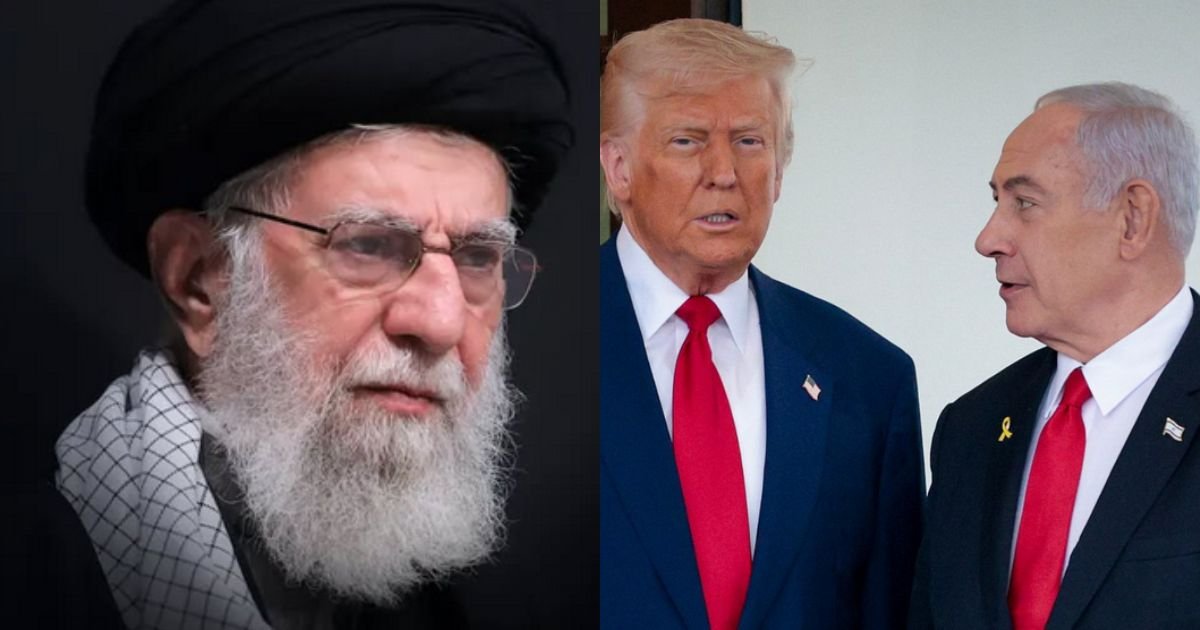
The U.S. and Israel launched Operation Epic Fury, a major wave of airstrikes across Iran targeting military leadership, missile sites, and nuclear‑related facilities. President Trump said early reports suggested Iran’s Supreme Leader Ali Khamenei and other top officials had been killed, though Iran denied this. Tehran responded by firing missiles at Israel and U.S. bases in several countries, raising fears of a wider regional war. Iranian officials reported more than 200 deaths across 24 provinces, and the U.N. Security Council called an emergency meeting as explosions shook Tehran and the country closed its airspace.
In Washington, Trump declared the start of “major combat operations,” saying the U.S. had tried repeatedly to reach a nuclear deal with Iran. Israeli Prime Minister Benjamin Netanyahu urged Iranians to use the moment to overthrow their government, while regional allies intercepted waves of Iranian missiles. Republicans mostly supported the strikes, but Democrats and some Republicans criticized Trump for acting without congressional approval. Lawmakers demanded clarity on the mission’s goals, and administration officials prepared to brief Congress as concerns grew about escalation and civilian casualties.
Humanitarian groups and diplomats warned that the conflict could trigger a dangerous regional chain reaction. The Red Cross said the violence was outpacing the ability to deliver aid, and Oman—long a mediator—lamented that active negotiations had been derailed. Iran vowed a “crushing response” but also signaled it was open to talks once the strikes stopped. Reports of Israeli strikes hitting civilian areas, including a school, added to fears of worsening instability in a region already strained by the Gaza war. With no clear evidence that Iran had recently advanced its nuclear program, the conflict now threatens to reshape regional politics and global diplomacy.