

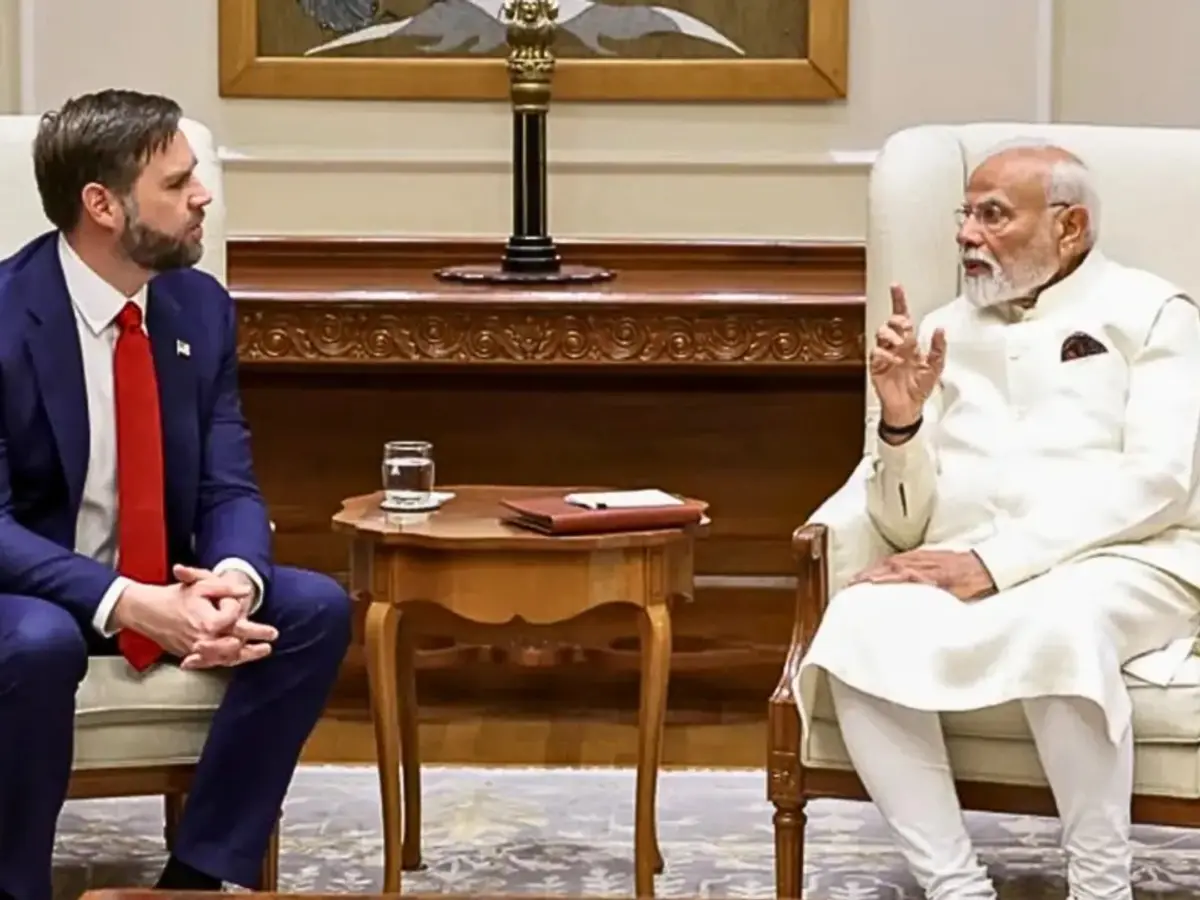
Vice President JD Vance has arrived in Islamabad for high‑stakes peace talks with Iran, even as Tehran publicly insists it remains “distrustful” of the U.S. The negotiations are unfolding against a tense backdrop: the Strait of Hormuz is effectively frozen, with only a few ships passing through since the ceasefire agreement. President Donald Trump says the U.S. is clearing Iranian sea mines and expects the waterway to reopen soon, but oil prices continue to rise as global shipping stalls.
At the same time, Israeli airstrikes on Lebanon have intensified, threatening to unravel the fragile Iran ceasefire. UNICEF says there is “no longer a safe place in Lebanon,” with entire neighborhoods in Beirut hit within minutes. Rights groups estimate nearly 3,400 people have been killed in Iran, more than 1,950 in Lebanon, and 23 in Israel, alongside 13 U.S. service members. Despite the violence, U.S., Iranian, and Pakistani officials are pressing ahead with trilateral talks, with Islamabad locked down and delegations meeting behind closed doors.
The situation remains volatile: Trump claims U.S. forces have sunk Iran’s minelaying fleet, while Iran maintains a hard public line. Yet both sides are still at the table, and Pakistan’s prime minister has urged negotiators to treat the talks as a path toward “durable peace.” If you want, I can also condense this into a version suitable for a general‑audience news brief.