

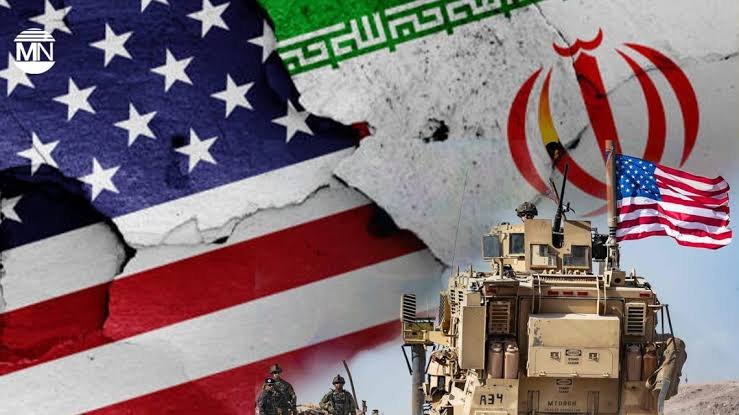
Tensions between the United States and Iran have sharply increased after both sides launched new attacks, putting their fragile ceasefire and ongoing peace talks at risk. The U.S. carried out large-scale airstrikes on Iranian military sites following Iranian actions against ships in the Strait of Hormuz, and Iran responded by targeting several U.S.-aligned countries in the region, including Qatar, Bahrain, Kuwait, and Jordan. These strikes created widespread alerts and raised fears of a broader conflict. Iranian officials reported explosions in multiple southern cities and accused the U.S. of hitting civilian areas, including railway bridges near the route to Mashhad, where major funeral events for the late Supreme Leader Ayatollah Ali Khamenei are taking place. The U.S. denied striking civilian infrastructure or the Bushehr nuclear plant. Iran said that dozens of people were killed or injured during the two days of fighting, while U.S. officials reported minimal damage to American facilities and successful interception of most incoming threats. These clashes have cast doubt on whether the two countries can still reach a final agreement to end the war, which began earlier in the year. Peace talks were already paused because of national mourning in Iran, and President Trump has expressed uncertainty about Iran’s willingness to honor any deal. Control over the Strait of Hormuz, a key route for global oil shipments, remains a major point of tension. Analysts warn that without renewed commitment to the existing framework, both sides risk being stuck in a dangerous cycle of ongoing hostility without a clear path forward.